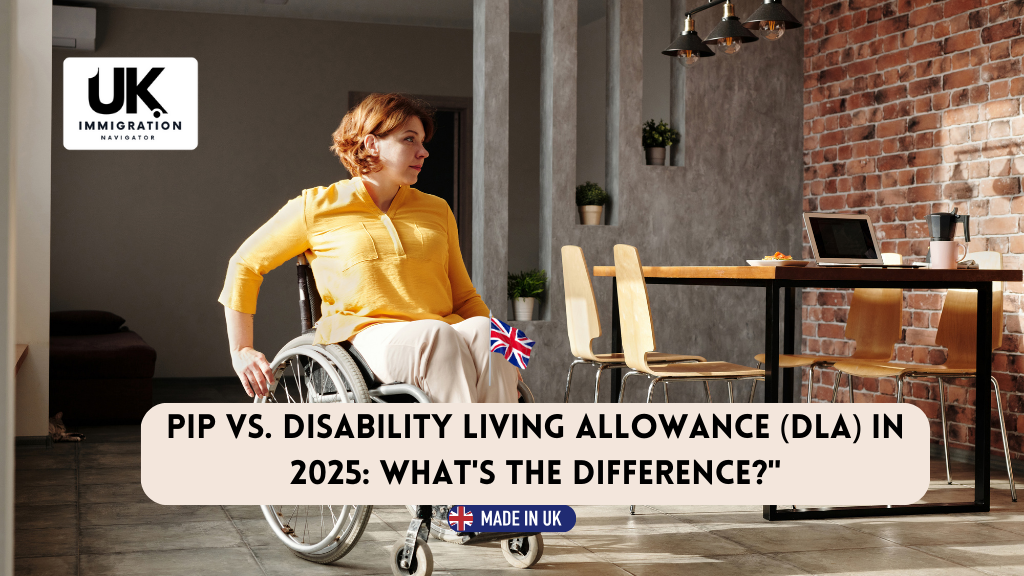


Welcome to UK Immigration Navigator, in this article we are going to cover Navigating PIP in 2025: What You Need to Know About Personal Independence Payment.
Personal Independence Payment (PIP) is a benefit designed to help people in the UK with the extra costs associated with long term health conditions or disabilities. It’s an important part of the welfare system, enabling individuals to live more independent and fulfilling lives. As we look towards 2025, it’s important to understand what PIP is, who can claim it, and how the system might be evolving. While precise details about future changes aren’t always predictable, we can explore the current framework and likely trends.
Table of Contents
Understanding Personal Independence Payment (PIP)
PIP was introduced in 2013, replacing Disability Living Allowance (DLA) for most new claimants aged 16 to the State Pension age. It’s not a payment based on your medical condition itself, but on the impact that condition has on your daily life. Essentially, it aims to support individuals who experience difficulties with daily living activities, mobility, or both. This functional approach assesses how your condition affects your ability to carry out certain tasks.
Key Components of PIP:
PIP is made up of two components:
- Daily Living Component: The daily living part
- preparing food
- eating and drinking
- managing your medicines or treatments
- washing and bathing
- using the toilet
- dressing and undressing
- reading
- managing your money
- socialising and being around other people
- talking, listening, and understanding
- Mobility Component: This looks at your ability to get around, including planning and following journeys and moving around.
Each component can be paid at either a “standard” rate or an “enhanced” rate, depending on the severity of the impact of your health condition on these activities.
Who Can Claim PIP in 2025?
While specific eligibility criteria will likely remain largely unchanged in 2025, here’s a general overview of who can typically claim PIP:
- Age: You must be aged between 16 and State Pension age.
- Residency: You must be habitually resident in Great Britain.
- Health Condition: You must have a long-term health condition or disability that affects your ability to perform daily living or mobility tasks. The impact of the condition needs to have persisted or is likely to persist for 12 months.
- Assessment: You need to be assessed by the Department for Work and Pensions (DWP) through a points-based system.
It’s important to note that PIP is not based on whether you work or not, and it is not means tested. Your income and savings will not affect your eligibility for PIP.
The PIP Assessment Process in 2025
The assessment process is designed to determine the extent of your needs. It typically involves:
- Claim Form: You’ll fill out a detailed claim form explaining how your condition affects your daily life. This is a crucial step, and providing specific and detailed examples is key.
- Assessment: You might be required to attend a face-to-face assessment with a healthcare professional, although remote assessments are also common and might become more prevalent. The assessor will ask you questions about your abilities and challenges.
- Decision: The DWP will review your claim form, assessment report, and any supporting evidence to decide on your claim. You will then receive a letter informing you of their decision, which can be for a specific amount and period.
Potential Changes in 2025
While we can’t know all specific changes in advance, there are areas likely to see evolution:
- Digitalization: The use of digital technologies in the application process, potentially with online assessments and evidence submission becoming more common.
- Focus on Mental Health: There may be increased awareness and understanding of how mental health conditions impact daily life and mobility, potentially leading to more accurate assessments.
- Benefits Administration: There might be ongoing adjustments in response to caseloads and appeals processes. The government is always working to refine the way benefits are distributed.
Conclusion
Personal Independence Payment is a vital support system for many people in the UK. By 2025, while the core structure of PIP is likely to remain similar, there may be ongoing refinements, particularly around the assessment process and digital delivery. Understanding the eligibility criteria, the application process, and being prepared to provide clear and detailed information is essential for a successful claim. Keep abreast of official government updates and seek help from reputable sources if you are struggling with your claim.
FAQ
Q: How often is PIP reviewed?
A: The review period varies depending on the individual. It might range from a few months to several years, depending on the nature of your condition and the award you receive.
Q: Can I claim PIP if I’m working?
A: Yes, PIP is not means-tested and is not affected by your employment status.
Q: What if my PIP claim is refused?
A: You have the right to appeal the decision. You can ask the DWP to reconsider the decision, and if you still disagree you can appeal to a tribunal.
Q: Can I get support with applying for PIP?
A: Yes, many charities and organizations offer free advice and support with the PIP application process. Citizens Advice and Scope are good places to start.
Q: Will PIP rates change in 2025?
A: PIP rates are reviewed annually. While increases are common, specific changes for 2025 can’t be determined until later in 2024.
This information is for guidance only and is based on current trends. Always consult official government sources for the most up-to-date and accurate information on PIP.